
Introduction
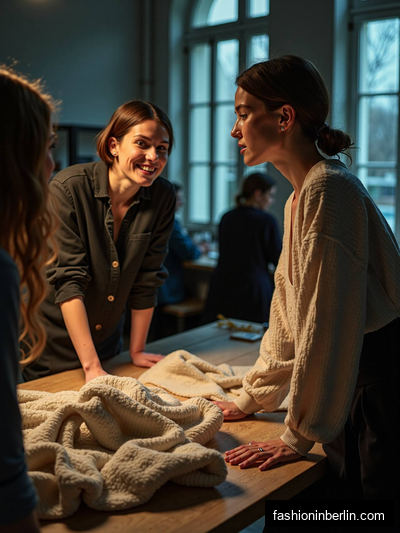
Berlin, a city celebrated for its vibrant culture, groundbreaking art, and rich history, has recently emerged as a beacon of sustainability, particularly within the fashion industry. This transformation is not merely a trend but a revolution, deeply rooted in the city's ethos of innovation and its commitment to a more sustainable future. The Berlin fashion scene is leading the charge, redefining luxury, style, and, most importantly, the ethics of fashion. This blog post delves into the heart of Berlin's green fashion revolution, exploring the innovative approaches, sustainable practices, and the visionary brands and designers reshaping the industry.
Sustainability in fashion is a multifaceted endeavor, encompassing environmental, economic, and social dimensions. Berlin's fashion industry is tackling these challenges head-on, pioneering new materials, ethical production methods, and circular economy models that promise not only to redefine fashion's aesthetic but its impact on the planet. Through a detailed exploration of these practices, insights from industry leaders, and case studies of successful brands, this post aims to illuminate how Berlin is not just participating in but leading the global conversation on sustainable fashion.
Delving deeper into Berlin's captivating Introduction, one cannot overlook the city's dynamic fusion of old and new. From the historic remnants of the Berlin Wall to the modern architectural marvels like the iconic Fernsehturm, each facet of the city's identity tells a unique story. Furthermore, Berlin's Introduction sets the stage for exploring its diverse neighborhoods, each offering a distinct character and charm. Whether strolling through the trendy streets of Kreuzberg or immersing oneself in the classical elegance of Charlottenburg, every corner of Berlin invites visitors to uncover a tapestry of experiences that define the city's essence.
Pioneering Sustainable Materials and Practices
At the forefront of Berlin's green revolution are the innovative materials and practices reshaping the fashion industry's landscape. Brands are increasingly turning to alternative, eco-friendly materials such as organic cotton, recycled polyester, and even more novel substances like Piñatex, made from pineapple leaf fibers, and Mylo, a mushroom-based leather alternative. These materials not only offer a sustainable option but also challenge designers to rethink fashion's possibilities.
Beyond materials, Berlin's fashion scene is redefining the entire production process to minimize environmental impact. Practices such as water recycling, energy-efficient manufacturing, and the reduction of chemical dyes are becoming standard. For instance, the Berlin-based label 'Ecoalf' has made headlines for its innovative use of recycled materials, turning plastic bottles, fishing nets, and even coffee grounds into high-quality textiles. Similarly, 'Armedangels' focuses on fair trade and organic cotton, emphasizing both environmental and social sustainability.
Moreover, the city's designers and brands are not working in isolation. Collaborative initiatives like the 'Green Fashion Tours' offer insights into Berlin's sustainable fashion landscape, fostering a community of practice that shares knowledge, resources, and a vision for a greener fashion future. These efforts underscore a critical shift towards transparency and accountability, setting new standards for the industry at large.
One standout example of pioneering sustainable materials is the development of bioplastics made from renewable resources like corn starch or sugarcane. These bio-based plastics not only reduce our dependence on fossil fuels but also biodegrade much faster than traditional plastics, aiding in the fight against plastic pollution. Additionally, innovative practices such as upcycling discarded materials into new products are gaining traction, showcasing the creative possibilities in the realm of sustainability. By embracing these cutting-edge materials and practices, cities like Berlin are setting a powerful example for a more environmentally conscious future.
The Rise of the Circular Economy in Fashion
Central to Berlin's sustainable fashion revolution is the embrace of the circular economy model. This approach seeks to redefine products and services, minimizing waste and maximizing the reuse of resources. In the context of fashion, this means moving away from the traditional linear model of 'take, make, dispose' towards a more regenerative system where clothes are designed to be more durable, easily repaired, reused, or recycled.
Several Berlin brands exemplify this shift. 'MUD Jeans', for example, offers a leasing model for jeans, a radical approach that encourages consumers to think about clothing as a service rather than a product. Once the jeans are worn out, they can be returned to MUD Jeans for recycling, closing the loop. Another example is 'Kleiderei', a fashion library where people can borrow clothes instead of buying new ones, promoting a culture of sharing and reducing the need for mass production.
These models not only challenge consumer behavior but also require a rethinking of design processes. Designers are increasingly adopting a 'cradle to cradle' mentality, considering the end of life of a garment at the outset. This involves choosing materials and construction techniques that facilitate recycling or composting, ultimately aiming for a zero-waste design. This paradigm shift represents a radical departure from traditional fashion practices, offering a blueprint for a more sustainable industry.
One interesting aspect of the circular economy in fashion is the growing trend of clothing rental services. Companies like Rent the Runway and HURR Collective are reshaping the industry by offering designer pieces for short-term use, reducing the need for constant new purchases and promoting a more sustainable approach to fashion consumption. This shift not only aligns with environmental goals but also appeals to consumers seeking variety without the environmental impact of fast fashion.
Moreover, initiatives like upcycling and clothing repair workshops are gaining momentum within the circular fashion movement. Brands are collaborating with local artisans and tailors to breathe new life into old garments, promoting craftsmanship and reducing waste simultaneously. By encouraging customers to repair and customize their clothing, these initiatives foster a deeper connection between consumers and their wardrobe, emphasizing longevity and creativity in fashion choices.
Empowering Consumers Through Transparency and Education
A crucial component of Berlin's sustainable fashion movement is the empowerment of consumers. In an industry often criticized for its opacity, Berlin's brands and initiatives are striving for transparency, providing customers with the information they need to make informed choices. This is evident in the proliferation of labels and certifications, such as the 'Global Organic Textile Standard' (GOTS), that signal adherence to stringent environmental and social criteria.
Education plays a pivotal role in this process. Events like the 'Berlin Fashion Week' and platforms such as 'Fashion Revolution' are instrumental in raising awareness about the impacts of fashion on the environment and society. Through workshops, talks, and exhibitions, these forums provide a space for dialogue and learning, helping to demystify sustainable fashion and highlight practical steps consumers can take to support it.
Moreover, the rise of sustainable fashion influencers and bloggers based in Berlin is making the movement more accessible. By showcasing sustainable brands, sharing tips on eco-friendly fashion, and discussing the challenges of ethical consumption, these voices are helping to build a community of informed, conscious consumers. This, in turn, is driving demand for sustainable fashion, encouraging more brands to adopt green practices.
To further empower consumers through transparency and education, brands are increasingly adopting sustainable practices and providing detailed information about their products. For instance, some cosmetics companies now disclose the entire list of ingredients used in their formulations, allowing consumers to make informed choices based on their values and preferences. This level of transparency not only educates consumers about what they are purchasing but also encourages ethical and sustainable decision-making.
Moreover, educational initiatives such as workshops and online resources are equipping consumers with the knowledge to understand the environmental and social impact of their consumption habits. By fostering a culture of transparency and education, consumers are empowered to support businesses that align with their values, ultimately driving positive change within industries and promoting a more sustainable future.
Challenges and Opportunities Ahead
Despite the significant strides made by Berlin's fashion industry towards sustainability, challenges remain. One of the primary obstacles is the issue of scalability. Many sustainable practices and materials, while environmentally beneficial, are often more costly and labor-intensive than conventional methods, posing a barrier to widespread adoption. Additionally, the global nature of the fashion supply chain complicates efforts to maintain transparency and ensure ethical practices across all stages of production.
However, these challenges also present opportunities. The increasing consumer demand for sustainable fashion is driving innovation, encouraging the development of new materials and production methods that are both eco-friendly and economically viable. Moreover, the collaborative spirit that characterizes Berlin's fashion scene is facilitating partnerships between designers, researchers, and technologists, fostering a cross-disciplinary approach to solving these complex problems.
Furthermore, the digital transformation offers powerful tools for enhancing transparency and engaging consumers. Blockchain technology, for example, holds promise for tracing the lifecycle of garments, providing a clear record of their environmental and social footprint. Similarly, digital platforms can serve as marketplaces for sustainable fashion, connecting conscious consumers with ethical brands and facilitating the exchange of ideas and practices.
While Berlin's fashion industry has shown remarkable progress in sustainability efforts, challenges persist in the form of supply chain transparency. Ensuring that materials are ethically sourced and production processes are environmentally friendly remains a key hurdle. Moreover, the industry faces the opportunity to embrace innovation through technology, such as blockchain, to track and verify the origins of garments. By overcoming these challenges and seizing technological advancements, Berlin's fashion scene can lead the way in setting new standards for sustainable practices in the global market.
Conclusion
Berlin's fashion industry stands at the forefront of the sustainability revolution, championing a future where style and ethics converge. Through innovative materials and practices, the adoption of circular economy principles, and efforts to empower consumers, Berlin is not only transforming its local fashion scene but also setting an example for the world. The journey towards sustainability is complex and fraught with challenges, but the city's designers, brands, and consumers are proving that a greener, fairer fashion industry is possible.
As we look to the future, the lessons from Berlin's sustainable fashion revolution offer a blueprint for the global fashion industry. By embracing innovation, fostering collaboration, and prioritizing transparency, the industry can move towards a model that respects both people and the planet. For consumers, the movement towards sustainable fashion in Berlin underscores the power of informed choices and the impact of collective action. Together, we can drive the change towards a more sustainable future, one garment at a time.
In conclusion, Berlin's commitment to sustainable fashion not only sets a trend but also serves as a powerful example for other fashion capitals to follow. The city's Fashion Week, known for its innovative eco-friendly showcases, has become a platform for designers focusing on ethical production processes and environmentally conscious materials. Brands like Studio Hien Le and Natascha von Hirschhausen are leading the way in creating stylish pieces that are also environmentally responsible. This emphasis on sustainability not only shapes the fashion landscape in Berlin but also inspires global conversations about the future of fashion and the importance of a greener industry.